Sunday, February 11, 2018

BEE GEES 1st


Supposing that this record was a room, then its contents would certainly bear the hallmark of opulence. Rare paintings adorning the walls, with furnishings and fixtures from an interior decorator's wet dream to complete the space. Cracks and blemishes? Sure, a few are present, yet the sheer brilliance of the cornerstone pieces divert your attention from any surface flaws. The brothers Gibb dipped their cups into a well of songwriting riches early on, always coming up with them filled to the brim. Bee Gees 1st was actually their third full length release, though it was the first to be issued internationally.

Truly fine it is.

Even a cursory listen will reveal that these lads possessed sharp melodic instincts, harmonic gifts and an intrinsic knowledge of song craft well beyond their years. To put things in perspective, while in the midst of writing and recording this material, Robin and Maurice were 17. Barry was the elder statesman at the tender age of 19.


This set appeared at the height of the Summer of Love, a window of time which saw an incredibly eclectic crop of musical styles unveiled to an unsuspecting public. The Beatles had recently set a very high bar with Sgt. Pepper in June, casting a daunting shadow over their contemporaries at that point. To their credit, the Bee Gees held their own, turning out high quality, easily assimilated work on this LP. While some content is redolent of the sonic template that the Fab Four had established on Revolver the previous year (which evolved exponentially on Pepper), they did have their own artistic voice. With Colin Petersen (drums) and Vince Melouney (guitar) on board as full fledged members, the quintet was also a legitimate performing entity. This lineup would stay intact until 1970.

HIGHLIGHTS

Percentage wise, exceptional songs are the rule here. No less than five tracks from this platter found their way onto their first hits compilation in 1969 (Best of Bee Gees). These selections all have a distinctive flavor, caressing the neural population in your auditory cortex in a manner that will not allow your brain to shake them easily. Catchy yet curiously minor key morose at their core, they played a major role in bringing the Gibbs to the attention of the masses.

"Holiday" sees Barry taking lead vocal honors to set things up ("Ooh, you're a holiday/such a holiday") with Robin's distinctive quaver taking over in short order (beginning with "It's something I thinks worthwhile"). They deliver a lyric that likens a romantic partner to a vacation or trip. Possessing a high haunt count, the melody grabs you immediately. Whether "the puppet makes you smile" or not isn't the point. When writing about love and relationships, they were deliberately vague in framing the narrative. In an excerpt from Daniel Rachel's fascinating book,The Art of Noise: Conversations with Great Songwriters, Robin explains the process:

"Holiday" was written on an autoharp...There have been songs called "Holiday" since, but we were probably the first group to write a song called "Holiday" about a relationship...Songwriting is not so much about the obvious; it's about going around the houses and looking at it from a different angle.

Hitting the top ten at that time in the singles sweepstakes, this one still resonates even a half century removed from that era.


Grim subject matter frames "New York Mining Disaster, 1941", yet they take the plight of those trapped by an underground collapse and turn it into a conversation. Following a very solemn intro, the music breaks out of its straight-jacket, building in intensity and speeding up in an unorthodox fashion.

Have you seen my wife, Mr. Jones?/ Do you know what it's like on the outside?/Don't go talking too loud you'll cause a landslide...

The orchestral arrangement is ideal with those iron clad harmonies tying it all together. Viewed through the Gibb's lens, there is no resolution, only resignation when it comes to the doomed crew, sealed in miles below the surface of the earth. Oddly enough, Rupert Holmes may have taken inspiration from this when he crafted "Timothy", which was a minor chart hit for The Buoys in 1971. In a "you-have-to-hear-this-to-believe-it" scenario, the protagonist is singing about being snagged in a mine cave-in with Joe and Tim. They are located and freed, though only two survive to tell the tale. The inference is that they resort to cannibalism, consuming Timothy to stay alive while awaiting rescue.

I digress

Moving to more conventional fare, "To Love Somebody" is a quintessential torch song that Barry draws every iota of raw emotion out of in his vocal. Achingly powerful in a visceral sense, a debt to the Motown sound is quite obvious in the arrangement. This one cuts to the chase beautifully, has been widely (deservedly) covered by other artists and boasts an incredible hook. Anyone who has been on the short side of love can relate. "I Can't See Nobody" emerges as its natural companion, with the refrain again bringing home a universal sentiment: love can blind you to all other available options. All four aforementioned compositions managed to grab the public imagination in a big way, despite having an underlying sadness about them. There is catharsis in suffering, though it helps to have such innovative soundscapes to soften the hard medicine in the messages.

Oh solo Dominique...

Maurice emerges as multi-instrumentalist extraordinaire in the unique, psychedelic and quite startling "Every Christian Lion Hearted Man Will Show You". Mixing Gregorian chant, mind bending mellotron and a good deal of confidence in pulling this one off, there is much to be commended in terms of its construction. Beautifully "out there", they never attempted anything even remotely like it again. An exercise in good intentions gone right, it remains "trippy" as of this writing.

THE REST

Circling back to my earlier comment about stylistic comparisons to that quartet from Liverpool, the Klaus Voormann designed cover art wasn't the only linkage to Revolver to be found here. "In My Own Time" runs uncomfortably close to the structure of "Taxman" with jagged, distorted down-strokes on rhythm guitar and McCartney's bass line showing up with little alteration. Drop-dead perfect emulation of John/Paul/George three-part harmony makes you forget about this and marvel at how dialed in the lads were as singers. Sharing DNA didn't hurt, either. The drawing room harpsichord that drives "Turn of the Century" nudges into Pepperland territory ("Fixing a Hole"), though they counter that by running the clock back to examine life through the eyes of those souls that witnessed the last gasp of the 1800s. "Craise Finton Kirk Royal Academy of Arts" is pure English musical hall, very much in the vein that Ray Davies was mining in his work with the Kinks as they turned away from riff-based rock in the mid-sixties. My personal favorite of the deep cuts is "Cucumber Castle". Brief with esoteric strings that serve to enhance the song, rather than smother it, the title would be recycled for a future project. It would represent a difficult chapter in their career that saw Robin leave the fold for a short time to embark on a solo venture. Happily, all differences would be patched up amicably. Flashing back to 1967, hard work and talent aligned perfectly to bring the first taste of fame to the Bee Gees.

Returning to my dog-eared vinyl copy to take in this gem was easy. Even the second tier tunes have merit and properly listening again after a long time away has renewed my appreciation for them as composers. When the band comes up in conversation, people tend to immediately flash on the trio as they appeared at the height of Disco-mania in the late 70s, when the Saturday Night Fever film soundtrack dominated radio playlists. Multi-faceted as writers, musicians and prodigiously talented singers, the ingenuity that fueled Bee Gees 1st was impressive, establishing them as a creative force a full decade prior to this. If it's not already part of your collection, grab it. One of their best records, bar none.


Sunday, February 04, 2018

DENNY LAINE BAND: LIVE AT BOGIE'S FEB 1st


Denny Laine, along with a very talented group of musicians, brought a venerable recording to life last Thursday evening. Performing the Band on the Run album in its entirety, with a further mix of Wings and Moodies selections, Laine and his wrecking crew owned the stage, leaving two packed houses deliriously happy in the bargain. Weaving in some humorous banter between songs, the newly minted member of the Rock and Roll Hall of fame appeared relaxed and graciously shared the spotlight with his band mates. Each took a turn at the mic, flawlessly executing their daunting lead vocal tasks. No mean feat, it is a high compliment to their collective abilities as singers.

Vocal harmonies were impeccable ("Mamunia", "Bluebird"), extended guitar solos inspired ("Helen Wheels", "No Words", "Nineteen Hundred and Eighty Five") while the group maintained a perfect balance of spontaneity and adherence to the arrangements. Laine joked that they were "not a tribute band" because of their resistance to playing the numbers by rote. His comment is given significant weight by virtue of one irrefutable fact.

He was there when these songs first took shape in the studio...

Despite the complexity involved in putting across this LP in a live setting, without a net, it was successful on every level.
The crowd knew every word, with the master of ceremonies delivering on the promise of a high energy performance. Front of house sound was pristine, the size of the venue was ideal to catch every nuance and the set list was a virtual highlight reel. As "Nineteen Hundred and Eighty Five" was building to that classic crescendo, everyone in the was on their feet, swept away by a killer musical experience.

There was more to come

Denny roared through "Time to Hide", one of his underrated gems from Wings at the Speed of Sound and showcased some tasty harp playing. In addition to leading a particularly fired-up "Sprits of Ancient Egypt", the caffeinated version of James Brown's "I Go Crazy" from the first Moodies disc was another welcome surprise. Closing with the ballad that he has long been most closely associated with, "Go Now" wound down the proceedings with class. Truly superb evening and it was an absolute pleasure to be in attendance.

Denny's partners in crime are all top class players in their own right. Most reviewers are remiss in failing to mention those key individuals in supporting roles. All of the following gents may take a virtual bow.

Alex Jules - One man keyboard army/horn section. His solos were brief, yet riveting and note perfect. Great voice.

Benjamin Lecourt- In addition to expertly steering the ship through the shifting sands of various time signatures, brought his bilingual skills to the fore during "Picasso's Last Words".

Brian Pothier - Bouncing between acoustic 12 string and electric lead guitar, his feel and tone were spot on. Impressive, precise slide work, as well.

Erik Paparozzi - Serious chops on the low end, though he ran all of Paul's bass lines respectfully and hit impossibly high notes with ease on every vocal turn. Quiet captain of the team.

Special mention goes to the songs themselves. While the adversity faced by Paul, Linda and Denny during the making of Band on the Run has been well documented, the lyrics and melodies themselves reveal no trace of these stresses. Instead there is an underlying theme of escape, flight, speed and joyful confidence infused in every note. The material itself was not tied to any political or socio-economic stances of the era allowing it to remain fresh in 2018. Watching it happen live provided a renewed respect for the continuous creativity that powered the LP.

Message to all who take the time to read this. If Denny is taking his act to your city this year, do whatever it takes to secure tickets. This gifted man is generous with his time and puts on an amazing show. Find out more about Denny Laine's future musical plans at his page

Sunday, January 21, 2018

CARGO


1982 was a breakout year for Colin Hay and his mates. The Men At Work had put in their time since their formation in 1978 getting tight as a performing unit. In November of 1981, Business as Usual was released. Massive success followed. While folks were whistling "Downunder", record buyers sent both the single and LP to the top of the pops. In the midst of a heavy touring/promotional schedule, the group managed to commit a second collection of songs to tape. Less whimsical than their first in terms of lyrical subject matter, Cargo was shelved for some time before the record company gave the green light for issue in the spring of 1983. The executive decision was directly related to the aforementioned success of Business as Usual. No need to have competing product in the marketplace when sales were still brisk.

Who can it be now?

Heralded by the eerie sound of wind, footsteps and chiming bells, "Dr. Heckyll and Mr. Jive" kicks open the door with force, putting a slight spin on the classic tale of a mad scientist who alters himself (physically and mentally) by downing a beaker of his latest chemical experiment. An arresting tune, the refrain is clever and sets a jittery tone for what follows. Suspend your disbelief for a moment: Imagine that this is merely a set up for a hallucinogenic sequence of events that befall him after he drinks his potion. The good doctor embarks on very unsettling trip, the narrative of which is captured in the nine songs that follow.

I can't get to sleep...

"Overkill" is a perfect pop confection: excellent hook line, taut verses with an instantly catchy chorus. Tailor made for maximum radio exposure. The lyric is restless, with nervous tension around every corner. It is here where a confusing fog steadily creeps across the brain of Mr. Jive. What is real? He isn't quite sure.

Ghosts appear and fade away...

Realizing that no such concept is actually being rolled out to listeners by the composers (mainly Hay with two contributions from Ron Strykert), those of you who are still playing the home game can still have some fun reimagining the intent of this inventive set. The protagonist flashes back to the well-meaning, yet mundane, parental lectures of his childhood ("Settle Down My Boy"), has some surreal fun in his room ("Upstairs in My House") and ends up ruminating on the past ("No Sign of Yesterday") as act one comes to a somber close. Flipping over to the next side, reality intrudes with a comment on military madness in the form of "It's a Mistake". Definite highlight of the pack. In keeping with the tense atmosphere of that era, the lyric alludes to the futility of the perpetual nuclear standoff between superpowers. Escalating one-upmanship has but one catastrophic climax. As with all other tracks here, the six string interplay between Hay and Strykert is very well thought out. Their tones are captured expertly in the mix, never stepping on each other. Cigar goes to multi-instrumentalist Greg Ham (who is sadly no longer with us) for his work throughout. From the haunting saxophone responses that grace "Overkill" to the killer flute solo (seriously) that completely lifts "No Restrictions" into the stratosphere, he leaves no blemish on this disc. He even takes a rare lead vocal on "I Like To". Split personality disorder may be the best descriptor for the overall mood as each construction whips you in various directions, with dizzying highs and lows explored equally. The opening remark about a post-drink song cycle centered on "Dr. Heckyll" was made in the spirit of fun, though the jarring 180 degree jolt that takes you from the exuberance of "High Wire" to the reggae-fried, morose strains of "Blue For You" adds fuel to the idea of a dreamlike thread running throughout the program.

Give me no restrictions, in what I do or say...

Back on earth, everyone brings a frenetic energy to their parts on this very underrated record. They were a hell of a good live band, too. Finding a receptive audience in the commercial sweepstakes, Cargo would also prove to be the final bow for the quintet, as the rhythm section was asked to leave before sessions began for their third full length project (Two Hearts). Strykert departed close to the end of those studio dates, leaving Hay and Ham to carry on with other musicians on the subsequent supporting tour.

Remaining a very compelling listen, my vinyl copy sounds as fresh today as it did when it first floated down from the sky by parachute, landing gently on my turntable back in '83. In addition to strong material, it is not weighed down by the ugly production methods (heavy reverb on everything, cheesy drum machine noises pushed way up front in the mix, etc.) that would soon be ubiquitous as the eighties progressed. Colorful and imaginative as its cover art, Cargo is quite worthy of (re)investigation. Be careful of what you drink before putting it on.

Thursday, January 18, 2018

STEALERS WHEEL REDUX


First of three records released under the name Stealers Wheel. Gerry Rafferty (best known for “Baker Street”) and Joe Egan penned and sang all of the material, backed up by additional musicians. There would be a rotating cast of support players in their brief stint as a “band”. Sonically, the listener will spot a huge nod to the compositional approach of the Fab Four. The big single was “Stuck in the Middle With You” which flew into the top ten in 1973, sold by the truckload and saturated radio playlists of that era. Rafferty channels Dylan mixing in a bit of Lennon on his lead vocal (though he doesn’t quite veer into “Stuck Inside of Mobile with the Memphis Blues Again” territory), with Egan harmonizing on the catchy chorus. Tasty slide parts color the song, which sits on a clever bass groove. Handclaps ice the cake. More cowbell? They have you covered in the breaks. All the makings of a hit. When Quentin Tarantino deployed it as part of The Reservoir Dogs soundtrack (who could forget that disturbing Mr. Blonde scene) it was back. Credit to the strength of the tune in that it has held up remarkably well. The rest of this debut effort is quite respectable. “Late Again” and “You Put Something Better Inside Me” are both highlights and also got 45’ed. “Outside Looking In” plays like a lost Lennon solo cut, yet the overall impact is hypnotic. “I Get By” would have slotted in perfectly on the second Big Star album (Radio City) with a stop-start arrangement, twin guitar attack and comes closest to a “rock” feel.

The mix is incredibly clean, which is no surprise as the legendary Geoff Emerick engineered along with John Mills. My copy dates from the late 70s, though I found it second hand in the early 90s. Listening for the first time in at least a decade, this is a lot better than I remember it. Solid harmonies and impeccable playing in service of the songs goes a long way. Stealers Wheel (the album) remains overlooked despite its obvious charms. Their catalog got a makeover and reissue in 2016. If you spot this one in vinyl format, grab it.

Friday, January 12, 2018

LED ZEPPELIN I


Back in the mists of the late sixties, two session veterans coupled with two relatively unknown (yet very good) musicians. With all groups who are in their infancy, the first rehearsal is generally a proving ground to see if everyone will be able to work well together. For this quartet, the musical equivalent of nuclear fission happened in a small room. Their next steps would be to get tighter as a unit, then commit a set of songs to tape. In a quote from his book Sound Man (which is recommended reading), legendary producer/engineer Glyn Johns takes up the narrative:

I turned up at Olympic (studio), not having any real idea of what I was walking into. I was blown off my feet. The album that we made in the next nine days was a landmark in rock and roll history, taking it to another level altogether. The stereo mix of this record is certainly one of the best sounding that I ever made, but the credit has to go to the band, as all I did was try to faithfully put down on tape what they were giving me, adding a little echo here and there to enhance the mood.

On January 12, 1969 Led Zeppelin was released in the US. It was a stunning debut that caught a lot of listeners by surprise. Three summers ahead of their contemporaries in terms of sonic impact, the innovation in sound was a revelation. Most rock-obsessed readers know the rest of the story: critics at the time didn’t get it, claims of authorship on certain pieces were questionable and the group was considered to be the product of hype as they landed a huge deal without having logged any serious time on stage. The fullness of time would sweep away these claims, reverse initial critical opinions and legalities concerning credits would eventually be sorted out.

Landing with the force of an asteroid strike, “Good Times, Bad Times” kicks in the door with those opening accents in E major, punctuated by percussive responses and proceeds to level most everything that came before it. Heavy rock had truly arrived with this grand statement, executed in just under three minutes.

Groups had put out heavy stuff before this, didn’t they?

They had, though Zep I properly captured the energy and live feel of such muscular playing in a recording studio. The key to this was a combination of factors. Jimmy Page produced and ran the sessions. Along with John Paul Jones, he had logged hundreds of hours of studio time. Both musicians knew that the secret to making a top class record was all about care in pre-production. The band was tight and all arrangements were set prior to tracking. Each player knew how to coax the best sounds from their respective instruments. In addition, Jimmy was also very savvy about mic technique and their proper placement to get the most out of the room.

So was Glyn Johns. It was on this gig that he discovered a widely imitated formula for recording drums. This again is an excerpt from Sound Man (edited for inclusion here)

It was a complete accident…we had finished a basic track and had decided to overdub an acoustic guitar on it. I took one of the Neumann U67s that I had been using on the drums to use on the guitar. Having finished, I put it back on the drums to start the next basic track. When I lifted the faders to listen to the drums, I found that I had inadvertently left the mic assigned to the track I had been using for the overdub (placed to the far left in the stereo spectrum). As the other drum mic was in the middle, it spread the sound to the left. So I wondered what would happen if I put them left and right and made the small adjustment of pointing the floor tom mic at the snare, making the two mics equidistant from it. The result sounded enormous with the completely different perspective that stereo brings…I panned each track to half left and half right ending up with the technique that I have used ever since. A prerequisite to this working is that you must have a drummer who gives you a good sound in the first place, as well as a pair of Neuman U67s or 47s, or Telefunken 251s.

John Bonham was not only an extraordinary player but also knew how to properly tune his drums. His bass foot sounds like the work of multiple pedals, yet it is just that magic right leg of his doing all of the heavy lifting. Couple that with virtuoso fret burning from Page and Jones and you have a winner. Robert Plant’s vocals were the icing on an astounding cake.

HIGHLIGHTS

Led Zeppelin I is uniformly excellent. There are multiple musical personalities at work throughout. One delivers original, uncompromising, intensity in short blasts (“Good Times, Bad Times”, “Communication Breakdown”) while the next lays back and brings acoustic guitar up front ("Your Time Is Gonna Come" sporting that glorious, church organ intro from choirmaster John Paul Jones and “Black Mountain Side” an instrumental adaptation of Bert Jansch’s reading of the traditional folk tune “Black Water Side”). They split the difference with the haunting “Babe, I’m Gonna Leave You” an Anne Bredon composition that Page took up from a Joan Baez LP and deftly re-arranged. This is a prime example of their versatility and an innate ability to make melodic yet ultimately powerful music. Dynamics are the secret sauce that make this one so compelling. Plant hits those notes effortlessly, supported by delicate acoustic picking from Page. When Bonham and Jones kick in, the game is raised. One of my personal favorites. Elsewhere, heavy blues workouts take up the majority of needle time, with Willie Dixon’s “You Shook Me” show-casing everyone’s taste and skill. The monsters are “Dazed and Confused” and “How Many More Times”. These multi-part epics stretch out to encompass psychedelic passages, face-melting solos, vocal gymnastics and both were wisely chosen to close out each side of the disc. No descriptors do justice to the sheer power of these mind-blowing slabs of experimentation. You need only listen.

As of this writing, the album holds up beautifully, sounding as fresh in 2018 as it did nearly a half century ago mainly because they didn’t overthink their performances. On the other hand, careful consideration was applied to song sequence. Very clever it is as each selection blends into the next, with the caveat that no similar theme follows what precedes it. No minor detail, this programming approach maintains interest as each new surprise unfolds.

Majestic as it was, Zep I was merely a taste of what was yet to come. “Dazed and Confused” would become a staple of their shows, running over 30 minutes on inspired nights. It also unofficially kicked off the 1970s roughly a year in advance of the actual event. Rock music’s blueprint would be redrawn overnight, with the ever present shadow of the Zeppelin cast on everything below.


Monday, January 08, 2018

SUMMERTIME DREAM


Following the beast that he had unleashed with Sundown would prove to be a challenge for Lightfoot. Instead of reinventing the wheel, he opted to stick with a similar formula on Cold on the Shoulder, from which came the excellent single, "Rainy Day People". Landing with ease on contemporary radio playlists, it kept his work at the forefront of the public imagination. The mother LP was viewed as a lesser opus at the time, though it's actually quite good. His summary statement to end 1975? Gord's Gold, four sides of brilliance which served as both an excellent career retrospective and a defiantly raised middle finger to his former label.

I'll return to that conversational marker...

New business in the shape of his next project was already in progress as he closed out another productive year. Ten new songs were written and recorded by January 1976. Summertime Dream would be his twelfth LP in a decade, capping an inspired run of incredibly influential, substantial music that continues to find a new audience.

Opening with grace, "Race Among the Ruins" wastes no time establishing itself as the strongest, most accessible track. His ability to combine hooks with a well considered line is estimable. It takes the eye of a seasoned editor to make this scan and instantly catch the ear of the listener within a three minute framework.

When you wake up to the promise
Of your dream world comin' true
With one less friend to call on
Was it someone that I knew
Away you will go sailin'
In a race among the ruins
If you plan to face tomorrow
Do it soon


This country-pop diamond grabs your attention immediately, though even inveterate fans were scarcely prepared for the next weapon to be deployed on the disc. Gallons of ink have been spilled in an effort to praise and deconstruct "The Wreck of the Edmund Fitzgerald". Grim in that it recounts the detail of a (then) recent nautical disaster, it stands as one of the most unlikely creations to ever invade top forty playlists (Can # 1, US #2). Lengthy, ponderous and seemingly without a trace of any discernible chorus, the song stands on a very haunting guitar figure that punctuates each verse and sheer will. Musically, every player contributes to an atmosphere of pure foreboding and futility. Lightfoot tops it off with a chilling vocal that runs down every aspect of the last journey of a doomed vessel and its crew members.

Does anyone know where the love of god goes
When the waves turn the minutes to hours


His genius places you right there with those brave souls about to perish in the grip of a ferocious November gale. Deserving of every superlative, this startling recording succeeds in conveying the weight and tension of the event itself. Very few writers are capable of bringing such subject matter so deftly to the masses without falling victim to maudlin cliché.

There is a distinctive adult-contemporary-country feel in place with the sweet steel of Pee Wee Charles coloring the arrangements. Lightfoot further commits to full band performances, with "I'd Do It Again" nominated as the cut that stretches out most into "rock" territory. Harmonized lead guitar and a surprising time signature change all work like a Swiss watch. Both the title track and "Protocol" weave storytelling magic and sonic innovation together successfully, coming in as close contenders in the highlight reel category. Confident, in excellent voice and determined to take new steps, Summertime Dream saw him make a stylistic break with the past. While it was successful on every level, commercial fortunes would not be the same for him after this one. Despite shifting trends, he stayed in the game doing what came naturally: writing and plying his trade in front of adoring audiences.

POSTSCRIPT

We now come full circle to a point that I had raised in the first paragraph. Gord's Gold had an element of score settling involved in its packaging. Still raw about what he felt was a lack of support from label executives during his time with United Artists, he re-recorded all of his early material featured on that double disc. He was not pleased with the sound of the originals nor was he thrilled about them making money by putting out compilations like Classic Lightfoot and licensing the masters to K-Tel to do the same. The past held no romance for GL and he took his revenge accordingly. This exercise in kicking off 2018 with a week of Lightfoot reviews has been extremely rewarding. I had carefully dusted off these seven great LPs, collected over years at flea markets, record shops and street sales, not entirely sure how they would sound. Some have moved around with me countless times, waiting patiently to be played again. It's been a revelation as each was every bit as powerful as I had remembered. Nuance, craftsmanship and true talent has no substitute. He is still working regularly and rumor has it that this humble poet may have a new disc for release this year. Heartfelt thanks to Mr. Lightfoot for sharing his prodigious gifts.


Saturday, January 06, 2018

SUNDOWN


Stepping back from the commercial arena in 1973, that calendar year marked the first occurrence where Lightfoot had no new product on offer since he had begun his professional recording career in the sixties. The consistent grind of write/record/tour had put heavy demands on his time, left little opportunity for family concerns and saw his intake of alcohol increase exponentially ("Somewhere USA" sums it all up). An intensely private man, he soldiered on through his commitments. His marriage imploded and the relationship he had with then girlfriend Cathy Smith would inspire both tumult and new songs. The restless artist internalized these experiences and turned them into what can arguably be cited as his best work to date.

Sundown (the album) is a consolidation of all musical avenues that he had taken over the past few years, with a nod to prevailing trends in soft rock and jazz. He was clearly utilizing new colors on the palette to paint pictures in sound and a more muscular approach is evident in the rhythm section, with session veteran Jim Gordon on drums. Synthesizers make their first appearance on a GL disc, though they are tastefully deployed. The result is akin to capturing lightning in a bottle.

THE BIG ONES

The title track is one of the most recognizable in his impressive canon. Sporting a killer hook in the chorus, simple but tasty guitar licks punctuating the verses and vaguely menacing lyrics, it is work that few writers would hesitate to sign their name to. Though the author has made little public comment on the matter, the aforementioned affair with Smith and some legendary partying are deftly woven into the narrative.

She's been lookin' like a queen in a sailor's dream
And she don't always say what she really means
Sometimes I think it's a shame
When I get feelin' better when I'm feelin' no pain


No mindless bouncy pop sentiment is present in the refrain, which found this bit of shade subversively dominate the playlists of countless radio stations and inhabit the minds of millions of listeners. Brilliant from top to bottom, it gave him his first US number one single.

Sundown you better take care
If I find you been creepin' 'round my back stairs


"Carefree Highway" owes its existence to a stretch of road in Arizona that bears the name. Lightfoot instantly co-opted the title and it followed "Sundown" into the top ten when issued as a follow up single. All of the stylistic devices he had used in the past coalesce perfectly here from supporting acoustic leads to light orchestration and a big, harmonized chorus that lodges in the brain effortlessly. There is a world-weary feel that creeps in, with the metaphorical highway being the ideal escape route from problems on the homefront. None of this was evident to his listeners at the time.

SURPRISES

Absorbing contemporary sounds, "Seven Island Suite" takes the vocal harmony style of CSN into the arrangement, has a very pretty turnaround and breezes by even at its six minute running time. Very different also is the jazz inflected "Is There Anyone Home" which has a similar feel to the sonic approach that Joni Mitchell took on Court and Spark. Another stunner, it subtly makes comment on his domestic issues, without being too obvious. His gifts as a wordsmith never flag. I would nominate "High and Dry" as one of the most clever takes on relationship insecurities dressed up in a nautical theme. Listen closely to what is being set down and a lot more is revealed about his personal situation at that point. Pointedly, Smith sings backing vocals on this one. "Circle of Steel" is a fine composition saturated with references to the Christmas holidays. Small wonder that this gem doesn't feature with similar seasonal offerings when December rolls around. "Too Late For Prayin'" closes with understated majesty, without percussion and brings the poet/ballad singer persona out as a gentle reminder that this side of his musical personality had not been completely subverted.

Strength follows strength throughout this truly magnificent set, with nary a wasted note to be found. Deservedly attaining the number one position in the US album chart, Sundown is the commercial apotheosis in his discography. International fame and increasingly lucrative prospects followed.

Friday, January 05, 2018

OLD DAN'S RECORDS


Appearing in stores in November 1972, Old Dan's Records saw the bearded bard gifting listeners with his second disc in less than a year. Unlike Don Quixote, a larger group of musicians contributed to the sessions. Drums return to the mix along with pedal steel, banjo, dobro and autoharp.

What about that title?

Kind of a play on the words: old dance records. It reminds me of my uncle Jack's 78-RPM dance-record collection. It reminds me of hanging out with the grandparents at Christmastime or some other holiday, having a party and getting out the old vinyl.

Curiously, breaking out the old vinyl has caused me to listen from a different perspective. This LP sees a further elaboration of the sounds that he had first explored on the Summer Side of Life. Once again, his voice slips easily into the songs as if they were a pair of comfortable shoes. With Dylan, there was always a sense of affectation that crept into his country-fried material. Lightfoot didn't change his approach to singing, nor did he try to emphasize a twang that he didn't naturally possess. His secret was to be as earnest as possible in executing his part when he stepped up to the mic. His power of continuous creativity is astounding, with side one being absolutely flawless. "Farewell to Annabel" builds gradually, adding layers of instruments. Just as it reaches a crescendo, the drums kick in and the curtain comes down as the track fades precisely before the three minute mark. Leaves you wanting more. "That Same Old Obsession" is an aching ballad that should have struck gold as a single. The title track is a joyous exercise and "Lazy Mornin'" benefits from the deployment of atmospheric vibes. Highlight here is the pedal steel driven "You Are What I Am". Two minutes of perfection, it garnered lots of play on both sides of the border. Allegedly written for his girlfriend at the time (Cathy Smith) it has an infectious chorus, doesn't overstay its welcome and exudes positivity. The coolest of the pack is "My Pony Won't Go" which features some sweet slide work courtesy of David Bromberg. It sounds as though everyone is having one hell of a good time throughout this record. Whether intentional or not, the closer, "Hi'way Songs" is arranged very similarly to "Farewell Annabel" with all instrumentalists ramping up as the needle eases toward the run-out grooves. The lyric seems to look back on the journey that he had taken thus far as a touring musician breaking into the larger US market, yet happiest back on home ground in Canada. Per usual, his economy with words ensures that the narrative is thinly veiled, tightly edited but with enough detail to convey the message.

Just for now I'd like to rest
In the shade of a maple tree
To the blue Canadian sky
I'll say a prayer for the world out there

When I stand on my own sod
It feels so good to be home, by God
The winter wind has turned my head
But I always came up warm somehow


Prolific would be the best descriptor of the man in 1972. There was more fine work to come.


Thursday, January 04, 2018

DON QUIXOTE


Temporarily abandoning the sound he had explored in Nashville, our resident poet strips things back to basics. The chiming guitar interplay amongst Lightfoot, Red Shea and Terry Clements takes center stage, augmented only by strings and the melodic foundation work of bassist Rick Haynes. The end result is another impressive collection of songs, steeped in the rich tradition of folk narratives. His focus is sharp, with the words painting vivid pictures at every turn. Songcraft this good does not come without hours of contemplation, revision and hard, ugly work to fill the blank page. The lone cover in the pack (Shel Silverstein's "Susan's Floor") is decent enough, though it seems like filler when compared to the surrounding material.

Opening strong with the title track, Lightfoot takes wonderful artistic liberties with Miguel de Cervantes' iconic character, allowing him to pass clever commentary on the madness of modern human behavior.

See the man who tips the needle
See the man who buys and sells
See the man who puts the collar
On the ones who dare not tell
See the drunkard in the tavern
Stemming gold to make ends meet
See the youth in ghetto black
Condemned to life upon the street


The author himself picks up the thread

It was written for Michael Douglas' first movie, Hail, Hero! I wrote the title song for the movie, but it was no good, even though he used it. He didn't use "Don Quixote," even though it was a better song. It wasn't a very good demo. I was at the premiere of the movie in Boston, and the producers took us all out to the horse track there. It was the only time I ever went to the races in my life. The movie went down in flames. But the song survived, and it seems that Mr. Douglas has thrived also.

Once again, the playing is precise and sharp as the lyric. There are allusions to the futility of war ("See the soldier with his gun/Who must be dead to be admired") that balance perfectly with the brave but delusional young horseman, tilting at windmills in attack mode, believing them to be giants. All this in just over three minutes. The other two highlights on the first side are the upbeat "Alberta Bound" and the gorgeously arranged "Looking at the Rain". These two offerings share a common theme: love lost. The former sees the protagonist down on his luck romantically in Toronto, which offers a lot of fun but lacks the one girl that he truly cares about. Solution? He resolves to head west and catch up with her. The latter doesn't hold out much hope for reconciliation, with regret filling every corner of the page.

Wishing this was all a dream
And I'd find you sleeping when I wake


Elsewhere there are ecological concerns around whale hunting wrapped in the tale of "Ode to Big Blue" and his passion for sailing infuses "Christian Island (Georgian Bay)". The late Stan Rogers had to have been listening intently, as he took up similar themes and ran with them on a string of dazzling albums before his untimely passing. He also took more than a few cues from Lightfoot's musical template from this period.

Though this inspired gem rarely falters in consistently delivering quality songs, it contains my personal favorite out of everything that this gifted man has written. "Beautiful" lives up to its title in every sense, from its soaring melody to those expertly interwoven guitars. His very best, hands down.

Closing out with a stunning piece on the sad toll that war takes on humanity, this multi-part construction provides a harrowing bookend to the imagery that is explored in the opening cut. "The Patriot's Dream" is six- plus minutes that covers a wide scope of scenarios and could easily transfer to a short screenplay, though the underlying message is quite clear.

Pity that it doesn't always get through.

Wednesday, January 03, 2018

SUMMER SIDE OF LIFE


Gord goes Nashville on his seventh record, which sees him steering his sonic template on a jarring 180 degree turn toward the strains of bluegrass and country. Gentle, folky acoustic ballads are still present, though they now mix with more uptempo fare. The session crew expands to include some of the most respected singers/players in the revered Music City. Kenny Buttrey and Charlie McCoy, who had both worked with Dylan on Blonde on Blonde, John Wesley Harding and Nashville Skyline show up in the cast along with the Jordanaires. The transition suits Lightfoot as his voice slips comfortably into these genres, never sounding out of place. “Cotton Jenny” fully embraces the shit-kicker motif as he pulls off a minor coup with a killer hook, easily assimilated storyline and truly authentic delivery. You can almost smell the hay bales that one would imagine him surrounded with as he lays down his vocal in earnest, with a Buddy Holly hiccup thrown in for fun. This one later scored as a hit for Anne Murray, further proof of his effortless touch as a tunesmith that fellow artists could draw upon for radio-friendly material. Runner up for the most accessible selection here is the title track. The harmonized turnaround is reminiscent of “Does Your Mother Know?” and he deftly manages to balance weighty lyrical content with a very catchy melody. A creeping shadow slowly overtakes carefree time spent under the summer sun, with sadness hanging around the corner.

Lightfoot: "It's about guys going away to fight in Vietnam; that's the whole driving thought behind it. It's about saying goodbye to your girlfriend and your mother and not knowing if you're coming back--going through God knows what."

Regardless of the author's estimation (apparently it was not one of his favorites), it is a masterful four minutes of music.

And if you saw him now/You'd wonder why he would cry/The whole day long

Canadian themes are referenced (“Love and Maple Syrup”, “Cabaret” and “Nous Vivons Ensemble” which is sung in the style of stilted Diefenbaker French), storytelling is rich (“Miguel”, “10 Degrees and Colder”) and his innate ability to frame the complexities of a love relationship without veering into maudlin or clichéd territory is showcased in “Talking in Your Sleep”. Beautifully rendered, the classic harmonies of the Jordanaires are deployed perfectly at the mid-point.

Blending a number of styles successfully, this sits among his very best efforts. It is a must-own for anyone who is even a casual fan of his work. Pleasant surprises would continue unabated in 1972 as Lightfoot was embarking on an incredible creative run during this period.

Tuesday, January 02, 2018

SIT DOWN YOUNG STRANGER


Following the issue of his contractual obligation album, Sunday Concert (live recording at Massey Hall in 1969), Lightfoot was free to leave the United Artists label and sign a new deal elsewhere. Landing at Reprise Records, he now had Mo Ostin in his corner. No ivory tower executive, Ostin knew music and was a great champion of the artists that he brought on board with the company. Similarly, Lenny Waronker had a golden ear with a knack for finding and cultivating talent. With the dream team in place, sessions began in September of 1969 to commit new songs to tape. A few special guest contributors (John Sebastian, Ry Cooder, Randy Newman and Van Dyke Parks) showed up to lend a hand along the way.

Leading off with the sublime “Minstrel of the Dawn”, Sit Down Young Stranger (his sixth album) was another step forward for Lightfoot as a composer. One track in particular towers over all of the others in every respect. “If You Could Read My Mind” skillfully conveys images of a relationship in decline with clarity; the emotion projected in his voice pairing perfectly with the sweeping string arrangement. Supported by delicate acoustic guitars, this stunning creation manages to conjure up a plot in cinemascope all within the boundaries of four minutes. The strength of this tune prompted the record company to ask for a change of LP title not long after release. When he balked at the prospect, he was told what this would mean in terms of sales figures.

Approved!


It then flew out of record stores as fast as they could press them.

Storytelling figures prominently throughout the disc. John Prine took more than a few cues from “Sit Down Young Stranger” (the song) when he was pulling together his debut (think “Sam Stone”). Gord’s take on “Me and Bobby McGee” does not have the intensity of Janis Joplin’s cover, though he delivers an intimate version that more accurately captures the pathos in the narrative. Kris Kristofferson had to have been flattered. “The Pony Man” is a surprising flight of fancy that aims directly at the fertile imagination of a young child. Written for his own children, this tender tune closes out the proceedings on a gently positive note.

Best descriptor for this set? It’s a grower, revealing layers of subtle charm incrementally with each listen. The monster hit single helped break Lightfoot in a very big way. His writing had previously scored with musical peers who covered his material to great success. Now he was reaping the rewards of running up the chart on his own. The next steps would elevate him to even greater commercial and critical heights.

DID SHE MENTION MY NAME?


PROLOGUE

First encounter with the music of Gordon Lightfoot? AM radio was plastered with it back in the mists of the 1970s. Growing up in Canada, you would get tossed out of the country for treason if you didn't have a nodding acquaintance with (at least) one of his tunes. For this writer, "Sundown" was memorable through sheer repetitive play on the local station (CJCB) along with "The Wreck of the Edmund Fitzgerald" which still evokes images of an overcast day as glimpsed through the back window of the family car en route to somewhere. Per usual, the entertainment which makes a stuck landing in the mind of a child is generally guided along by what one (or both) of the parental units drags home for consumption. "Fantastic Gordon Lightfoot" was a double LP that was slapped together by K-Tel records and endlessly hawked on TV in 1977 like laundry soap.


Suitably impressed by their relentless media campaign, my father duly bought this compilation and unwittingly began my life-long appreciation for the work of this self depreciating, understated genius.

Can we get to this review now?

Indeed.

Come on sunshine, what can you show me
Where can you take me to make me understand
The wind can shake me, brothers forsake me
The rain can touch me, but can I touch the rain...


Produced by John Simon, who also did the honors on the first two releases by The Band (arguably their best), Did She Mention My Name? was the third full length statement by GL, containing a treasure trove of haunting, melodic compositions. The string arrangements that Simon crafted for some of these cuts is nothing short of astounding. "Wherefore & Why", "Does Your Mother Know" and "Pussywillows, Cattails" all stand as incandescent creations in their own right, though they are lifted to another level with Simon's orchestration. His brass augmentation interspersed with soothing violins takes "I Want to Hear it from You" from the realm of the ordinary to something much more interesting. Lightfoot's work is never overwhelmed by these touches. Instead, his rich voice is placed in the center of the mix, soaring majestically above everything with a confidence that only comes from bringing such strong material to the table. Offsetting beauty with bitter reality, "Black Day in July" is poetic, topical commentary on the riots that took place in Detroit the previous year. The incident was ignited by a police raid of an unlicensed, after-hours bar. Clashes ensued between residents of largely black neighborhoods and police. State police and National Guard were brought in as the protests and violence escalated. The unrest lasted five days, leaving 43 dead. Hundreds were injured and thousands arrested, with businesses left looted and burned.

Motor City madness, has touched the countryside...

His appeal for inclusion ("Why can't we all be brothers/why can't we live in peace") was not well accepted by the establishment of that era and the track, unfairly, earned a ban from US airplay. It remains a striking creation as of this writing in 2018. So much has changed, yet stays the same. In the same vein (pun intended), "Boss Man" is taken from the perspective of a miner who vows to corner a management figure in the deep recess of his "office" and take physical revenge on him. The narrative carries weight for all of those brave souls who have "risked their necks" to make greedy companies rich, doing all of the heavy lifting mining the seam just to feed their families. These messages helped to garner a wider audience for a small town prodigy who refused to be one dimensional in his art.

In spite of all of the bounty that infuses the grooves of this remarkable set, it is the closing title track that completely steals the show. "Did She Mention My Name?" in the hands of a lesser talent may have come off as a narcissistic power-play. Lightfoot gently turns a conversational fishing expedition with a friend from their shared home town to confirm if an old flame is still flickering into a master class of economy with words. Delicate acoustic guitar figures are expertly rendered between verses as the imagery unfolds. Without hesitation, this ranks with the work of any of his peers. No further comment is necessary when it comes to a song so perfectly realized, all in just two minutes and change.


Supported by his brilliant, faithful touring partners (Red Shea, John Stockfish) the playing here is impeccable. Session legend Hugh McCracken (listed as Huey McCracken in the credits) also graces this one with his nimble fingers. The combination of talent perfectly compliments the artist and his vision. The best part? He was just warming up. Greater glories were soon to follow.


Thursday, December 28, 2017

BREAD


Bread were unfairly written off as insubstantial peddlers of soft rock when compared to their contemporaries, though the quartet that gave birth to that beautifully crafted, eponymously titled first album were all very accomplished writers/musicians. Signed to Elektra Records, label head Jac Holzman oversaw production and Bruce Botnick (who engineered all of The Doors classic LPs and co-produced LA Woman) was behind the board for this timeless debut.

Side one is immaculate, leading off with the one-two punch of “Dismal Day” and “London Bridge”, both composed by David Gates, whose lead vocals would become a signature part of their sound. He split writing duties with charter members Jim Griffin and Robb Royer. The fourth player involved was session drummer Jim Gordon who anchors everything with precision, giving the material a feel and groove at least three summers ahead of their peers. All lyrical subject matter neatly avoids the trappings of the era, with a focus on tightly edited pop/rock. No sprawling, tedious jams find their way into the program, though hooks and melodies definitely take priority. Other highlights include “The Last Time” and “It Don’t Matter to Me” which are the best Griffin/Royer compositions in the pack. While the second side of the disc isn’t as strong as what precedes it, the tunes still maintain the high standard of the overall set. ”It Don’t Matter to Me” finishes as one of the most delicately rendered pieces, featuring brilliant harmonies and Gates gently scraping the stratosphere with his lead vocal. Not satisfied with it remaining as a very worthy sleeper cut, the strength of this beauty moved the group to re-record it and issue it as a single the following year. The fall of 1969 saw some major releases hit the shops with Abbey Road, Led Zeppelin II and Let It Bleed all coming out within the same timeframe. Bread acquitted themselves well, considering the competition. Overshadowed somewhat by the heavy hitters of that period, this quiet masterpiece holds up nearly fifty years on.

Tuesday, December 19, 2017

SHE"S THE ONE


Perhaps the most under-appreciated offering in the lexicon of Tom Petty releases (runner up would be Let Me Up I’ve Had Enough) this subtle, nuanced record is everything that the movie to which it owes its existence is not.

She’s the One (the movie) is forgettable, capable of sending a meth freak into a stupor within minutes.

Not so the “soundtrack”, which is comprised of a mix of off-cuts from the banquet that was the Wildflowers sessions, some new material, two covers and scattershot “in-jokes” that are amusing to the right audience. Conversational marker on that last point. Only five of the fifteen selections found here actually made their way into the film as incidental music.

Before delving into the merits of this album, one sad fact remains. The sudden loss of Tom Petty still seems surreal two months on from the event. While the best of his output may have seemed effortless, it was pure, toughminded craftsmanship that shaped the finished product. Thousands of hours went into producing those melodies, with very little filler allowed to slip past quality control. His is an artistic voice that will be very sorely missed.

I can hear you singin’ on my supernatural radio…

THE BEST OF EVERYTHING

“Walls (Circus)” served as the lead off single, trailer to the full length disc and makes for an incredibly memorable opener. Custom built to lodge itself in the brain, the infectious chorus is hammered home by the 12 sting solo which gently reprises the verse. Out of the gate, an irresistible connection is made with the prospective listener. The other stunner is “Climb the Hill” which indulges Mike Campbell’s AC/DC fetish. Dig those Phil Rudd inspired cymbal crashes infusing the riff that follows the beautifully harmonized hook. Lindsey Buckingham adds his voice to both of these tunes. “Hope You Never” is the sleeper song that closes side one and ranks with anything that Petty ever coaxed out of his Dove acoustic. Straddling the line between beauty and bile, it manages to be charming, hurtful and haunting all in the space of three minutes. Suitable for framing, the same superlatives apply to “Supernatural Radio” which playfully quotes his friends Annie Lennox and Dave Stewart in the lyric. “Hung Up and Overdue” imports the feel of the late sixties in texture, while two ex-Fabs (George and Ringo) lend their prodigious talents to the track. The arrangement is nothing short of perfection, leading the pack in my personal highlight reel here. Harrison puts on a masterclass in understatement with slide guitar parts that play only in service of the song. Leave it to Ringo to steer the ship in perfect time. Rounding out these standout pieces are the delicate “Angel Dream” sequences
(numbers 2 and 4), which are complemented by soothing strings, exquisitely picked acoustic guitars and note perfect harmonies.

THE REST

“Grew Up Fast” and “California” represent polar opposites in terms of what the Heartbreakers brought to the table. The former brings some shade into play early on. Though he didn’t share his general condition with the world at that time, divorce and a growing heroin habit took their place amongst writing and band activities. Things would get uglier in his personal life before he properly dealt with these issues. There is a down note that creeps into the material throughout, though “California” paints on a plastic smile and keeps things upbeat. Similarly, “Zero From Outer Space” channels mid-sixties Dylan with a muscular nod to Bo Diddley as the band powers through this slight, yet amusing romp. The covers fill out the set without really coming off as memorable. Beck’s “Asshole” is taken at a funeral pace, while Lucinda Williams “Change the Locks” overstays its welcome after the two minute mark. Both are dispensable. Lowlights aside, that still leaves plenty to love. Rick Rubin directed traffic from behind the glass as producer, the guests all add value to the finished product and you could eat your dinner off the pristine mix. This one holds a special place for me as it came out about a week before my 28th birthday. I remember being obsessed with “Climb That Hill” at the time, immersed in the reference points that informed much of the material. This brings us full circle to my comment early on about musical in jokes. The cover art should have depicted the entire band sitting in a smoke-filled room with classic vinyl littering the floor, collectively staring at the camera and sporting matching smirks that even a nuclear blast could not wipe off their faces. This is not a minor work by any stretch of the imagination. Well worthy of reexamination, She’s the One is a document that brings many sonic rewards with repeated spins. These charms are especially magnified by taking in a vinyl copy.

Tuesday, December 05, 2017

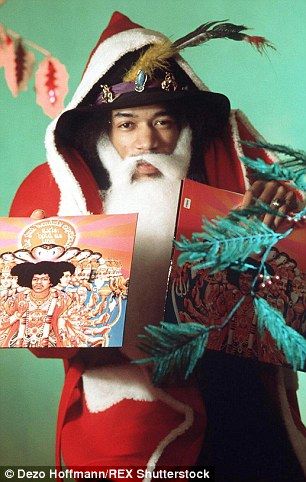
AXIS: BOLD AS LOVE AT 50


Otherworldly doesn't quite suffice as a description of the sonic delights that the Jimi Hendrix Experience wove into their second full length LP, released a half century ago this past week. The subtle genius who led the trio revealed himself to be a composer of considerable depth, turning in a set of songs that are as arresting today as they were at the time of issue. Let's travel back in time to that final month of 1967, where opaque clouds of smoke hovered over the astounded faces of those lucky souls who repeatedly sacrificed needles on turntables, worshipping at the altar of this incredible record.

It takes about half a day to get there...if we travel by dragonfly

Opening with a short "interview" that could almost be considered as the ultimate inside joke (look up Paul Caruso), the vari-speeded voices in their brief exchange set the stage for a barrage of raging coronal mass ejections, courtesy of Hendrix, which are madly panned across the stereo divide. The swooping, dive bombing assaults fade only to be replaced by the brushed drum fill that kicks off "Up From the Skies". Breezing by with a wink, this jazzy, wah-wah pedal driven flight of fancy is unlike anything from Are You Experienced. Hendrix delivers a subdued vocal that perfectly complements the track. Working against the aural template that he had crafted on the first disc, he and the Experience show a far more subtle side of their collective musical personality. You can almost imagine Hendrix taking his place on the bandstand with a larger group blending in as a contributor, rather than featured performer. Side one, which you could easily frame, then bounces back to rock as Mitch Mitchell morphs from Elvin Jones to a heavier approach as the trio lock in on the majestic “Spanish Castle Magic”. Jimi blasts off a handful of face-melters as Noel holds on to that hypnotic riff, though these type of guitar pyrotechnics are the exception rather than the rule here.

This may very well be the reason that this platter often gets passed over in the lexicon of the Experience. Those listeners expecting six string fireworks find the artist opting to play against type. Funky, tight rhythms are featured in “Wait Until Tomorrow” and note perfect nuance in the all too brief “Ain’t No Telling”. Both are variations on carnal pleasures, with a gun toting Dad to spoil the fun in the former. No room is made for endless soloing. nor is it necessary. Letting the songs breathe, dream imagery accompanied by a dizzying array of colors dominate lyrical subject matter. Hendrix wrote delicate melodies to match these ethereal moods, none finer than what you’ll find in “Little Wing” and “Castles Are Made of Sand”.

Noel Redding even draws in with his very own composition (“She’s So Fine”) singing lead and coming pretty damn close to the Who in places. Out of this treasure trove of inspired song craft, my personal highlight is the sublime “One Rainy Wish”. This is one that I always wish would never end. Dynamic and tasteful beyond description, it is incredible in headphones. Runner up? “If 6 Was 9”, which flies the freak flag proudly as a multi-part, extended freak out that allows everyone some room to rip. The spoken word section is the lone area where shade briefly eclipses the psychedelic rainbow that arcs over just about everything else. Though his other work attracted more attention, I would weigh in and say that this is his grand statement; futuristic and sweeping without ever overstaying its welcome. Wrapping up with the title track, nary a note is wasted. The Experience hit their high watermark with this one, though the tightly edited scripts would be tossed out the window during the sessions for Electric Ladyland, which had its share of high points, yet would fall victim to endless jams and a lack of organization from a production perspective following the departure of Chas Chandler.

Axis was the ultimate holiday gift from one of the masters. If you spot a vinyl copy, pay the asking price regardless of the amount.

Sunday, November 19, 2017

PRETENDERS II


Second album syndrome has been the difference maker in the careers of many artists. Clichés fly like empties in a dive bar after midnight around this topic.

You have your whole life to write your first record, but...

Chrissie Hynde, aided and abetted by her band mates, rose to the challenge with a fantastic collection of tunes. One of the most underrated writers in rock, her work is inventive, melodic and very durable. Her distinctive voice is one factor that draws the listener in. Not a traditionally technically perfect instrument, though one that instantly branded the band. Once you are duly brought to attention, the material itself never wears out its welcome, which is the mark of a top class composer. The Pretenders practically outdid themselves by issuing a note perfect, eponymously titled debut set that veered from radio-friendly hits ("Brass in Pocket", "Kid") to straight up rock ("Precious", "Tattooed Love Boys") and touched on a variety of musical sweet spots, all deftly pulled together by the production of Chris Thomas. Critical comparison to its predecessor created a feeling that Pretenders II was a much lesser opus upon its release in late summer 1981.

Not so.

Focused writing from Hynde, that beautiful sonic blend of shimmering guitars (courtesy of her and James Honeyman-Scott) and tasteful playing from everyone remain intact on this disc. Emphasis on the group dynamic is important because each member brought their own personalities into the instrumental mix. Chambers and Farndon steer expertly through the time signature shifts that give color to cuts like "Waste Not Want Not" and "Day After Day" while keeping their foundation work in service of the songs. "Message of Love" still resonates decades later, sounding fresh as if it could have been recorded last week. Hard hitting and delicate all at once, it occupies the same territory as the equally catchy "Talk of the Town". Remembering that they are an estimable rock ensemble, you also get edgy creations ("The Adultress", "Pack it Up") along with the relentless power that pushes "Bad Boys get Spanked" and "Jealous Dogs". Extra points are awarded for maintaining pristine production values (once again courtesy of Chris Thomas)and keeping the material tightly edited and accessible. The only selection that seems out of place is the closer ("Louie Louie") which adopts the arrangement of "The Midnight Hour" (bass and drums) and a horn section that overpowers just about everything else. Perhaps it was deployed intentionally to cover the lack of direction in an endeavor that would have made an OK B-side, but little else. That said, this is an action packed set that has aged extremely well. It is also the last full length effort completed by the original quartet. Sadly, interpersonal issues and drug abuse would lead to Pete Farndon being elbowed from the fold the following year. Honeyman-Scott would fall victim to a fatal overdose before the next project could be undertaken with Farndon suffering a similar fate in 1983. Hynde and Chambers would soldier on with replacements, though Pretenders II stands as a great document of what they were capable of at the peak of their powers.

Tuesday, September 26, 2017

IMPERIAL BEDROOM


Lyrically sharp with grand arrangements to support them, the songs presented on Imperial Bedroom are incredibly ambitious. It wasn't of its time, though remains a favorite because it makes no attempt to embrace the now dated sonic trends that were becoming prevalent in productions of that time period. (He would sadly fall into that trap once on "Goodbye Cruel World" and it would be a poor fit.) Elvis Costello emerged from the UK in the late 70's, making music every bit as creative as those giants of the last golden period in the mid 60's. He was one of a handful of artists that made one last push to preserve the intelligence and vitality of rock music, before the video medium overran imagination with crass commercial interests.

Imperial Bedroom is his masterpiece

Your attention is required (and held) throughout this record, not simply because of the lyrical density but also due to the detail that is evident in both production (courtesy of one the masters, Geoff Emerick) and musicianship. It sounds as if it were a difficult album to make in terms of time spent, yet that patience resulted in a definitive work of art. No blazing rock songs are submitted here, though more than a hint of the baroque touches applied to late period Beatles recordings are present. Case in point, "...and in Every Home", complete with 40 piece orchestra, incorporates stately brass parts with a nod to the fade of "Good Day Sunshine" as the title is repeated in harmony to close side one. "Pidgin English" has a similar feel. Taken at a faster tempo, it deploys horns that hit the spot and a very unique, layered vocal arrangement.

Every possible avenue is explored in providing the listener with interesting touches to find in the pristine mix. Swirling organ gradually creeps into "Beyond Belief" and does battle with an intricate, almost frantic piano, yet it all adds to the paranoid tension that threatens to snap at any moment. The genius of Steve Nieve at work.

"So in this almost empty gin palace
Through a two-way looking glass
You see your Alice"


Fading before really breaking out of the straightjacket, it is a compelling opener.

"Man Out of Time" is another highlight, featuring a jarring edit of some inspired chaos kicked up by the quartet that bookends this exceptional track. While it failed to score as a single release, this should not be taken as a reflection of its merit. One of his most underrated compositions, the melody is a grand match for the superb lyric that it's paired with.

"To murder my love is a crime
But will you still love
A man out of time..."


Stretching out in terms of vocal performance, a few new jazzy places are visited ("Shabby Doll", "Kid About it") and he really pushes himself on the emotive "Almost Blue". Nods to the past crop up as "Human Hands", which reprises the reggae stumble found on "Watching the Detectives". Similarly, "Little Savage" is cut from the same musical cloth as some of the material on "Armed Forces". His powers of continuous creativity rarely flag. There is also a very good vibe that propels much of the set, especially through the second side. Exuding positivity, "The Loved Ones" is the aural equivalent of a sunny day, with energy to spare. Though the words remain occasionally brutal, the finger pointing is balanced somewhat. "The Long Honeymoon" reveals how time tests relationships, against a soft backdrop with sympathetic accordion in support. Stylistically varied, song lengths are tightly reigned in so as not to overstay their welcome. This is an incredibly easy set to digest without restlessness setting in.

By the time you reach the cleverly orchestrated closer ("Town Cryer") there is little doubt that you have encountered work which is matched by few contemporary writers. Warm with just the right amount of sandpaper to avoid being cloying, this disc is rightly held in high regard by both fans and critics. He wouldn't make another one quite like Imperial Bedroom.

Tuesday, September 19, 2017

47 YEARS OF PARANOIA


Black Sabbath's second album, Paranoid, was released 47 years ago this week. Sessions lasted a whole two weeks, which was pure luxury in comparison to the two days allotted for taping their eponymously titled first disc. It had only been seven months since "Black Sabbath" had been issued to the masses, yet the sonic progression made by the group since that point was astounding. Their busy gig calendar was partly responsible for keeping the band razor sharp in terms of ensemble playing, though the decision to focus on their own brand of expression in song structure would put them in the vanguard of a wholly new genre of music. The label makers would soon be clamoring to affix a descriptor that the kids could relate to in the rock mags of that era. What would it be? Heavy Metal, Heavy, Doom or Stoner Rock were all applied at various points. Suffice to say that this quartet of hirsute, young lads from Birmingham changed the game, inspiring many future acts. Their blueprint would never be successfully duplicated.

During the sixties, pop became rock. There was also a huge shift in the way live music was presented with the advent of signal phase distortion. Polite, two guitar-bass-drums-vocals type aggregations gave way to bands like The Who, Cream, Jimi Hendrix, Jeff Beck and Led Zeppelin who discarded the rhythm guitarist role, upped the decibel levels considerably and extended performances with solos for all. Typically, the guitarist took on more of the heavy lifting in that respect. Paranoid (the LP) arrived in stores on the very date that Jimi Hendrix passed away. His contemporaries were moving on, as well. Cream had long since broken up as had the Jeff Beck Group. The Who and Led Zeppelin were on the ascendant, yet were miles away from each other in their approach. Sabbath were a different animal altogether. They had honed their skills playing blues-based material but dropped covering this side of the musical spectrum to do their own thing. The genesis of their compositions had always been the monster riffs that Tony Iommi seemed to effortlessly coax from his left-handed SG. Terry Butler, a guitarist who switched to bass, would often double up on these creations, deftly supported by the jazz-inflected rhythms of Bill Ward. With Butler handling the lyrics, it would be left to Ozzy to come up with the best way to deliver those words. There would be some exceptions to this method of working on originals as they went on, with varying contributions coming from all four members.

THE BIG FOUR

"War Pigs", "Paranoid", "Iron Man" and "Fairies Wear Boots" are unquestionable classics, remaining as constants in the set list throughout years of fighting, lineup changes and eventual reunions. All boast instantly recognizable, signature guitar figures. Even a casual fan would have little trouble picking these selections out of a police lineup. You know'em, love'em and no additional amount of editorializing is necessary. Curiously, "Iron Man" takes a page from the book of "21st Century Schizoid Man" from King Crimson's debut a year earlier.
"Paranoid" was 45'd, duly becoming a top five hit in the UK. The idea of the Sabs appearing on Top of the Pops surrounded by dancing teenagers losing their minds may seem incongruous, yet video evidence is available for your viewing pleasure. They would not return to that program again for nearly eight years.


Embracing the ponderous nature of their sound coupled with a conscious effort by Geezer to take up lyrical themes that eschewed romantic love, hippy-dippy philosophies and the usual pop banalities gave them an identity that struck a nerve with a surprisingly wide audience. Iommi's inventive, multi-part face-melters helped to draw in listeners because they were as melodic as they were powerful. Osbourne found his distinctive voice with these recordings, sounding much more confident as he moved to a slightly upper register.

THE REST

My vote for the sleeper tune in the pack is "Hand of Doom". Presented as a cautionary tale about excessive drug use, the arrangement goes from a quiet, rotating riff supported by rim shots to full on, five alarm blaze, punctuated by Ward's scattershot fills. Once this subsides, another completely different segment is introduced which burns with intensity and breaks back to the intro after an almost East Indian flavored solo. Remarkable stuff. "Electric Funeral" mixes nuclear holocaust with distorted Bebop, while "Rat Salad" is nothing more than a showcase for Ward in the manner of "Toad" and "Moby Dick". The difference is in the brevity of his drum solo, during which he acquits himself quite well without testing your patience. The guitar break is jazz with a capital J. The only real clunker on the disc is "Planet Caravan", which has a vocal that is drowned in bong water (Leslie speaker) and plods along far longer than it should have. They would take this basic idea (humans embarking on interstellar space travel) and spin it into gold in the form of "Into the Void" on Master of Reality.

Overall, this is the monster that made them superstars. Little wonder as the material retains its freshness and power nearly 50 years on. You have my permission to play it really LOUD.

Tuesday, September 12, 2017

PARIS


Firing on liquid hydrogen during the tour to support Breakfast in America, Supertramp also captured a number of their shows on tape with the intent to prepare a live album for future release. As it happened, upon reviewing the results from various venues, group members almost unanimously urged that their performances in Paris were by far the best of everything.

Issued 37 years ago this month, it seems that their decision was a wise one. I would have paid full price for the rendition of "Fool's Overture" alone. This is a very exciting document that serves as a showcase for their earlier work, impeccably executed with very little post-production cosmetic surgery needed according to those who worked with the live masters. My vinyl copy has been with me since the mid-eighties. Fantastic place to start for the uninitiated and very easy to return to for those longtime fans of the band. Roger Hodgson and Rick Davies would soon fall out after Famous Last Words in '82, with Hodgson exiting the fold for a solo career. Paris remains a highlight in their discography.

Saturday, September 09, 2017

IMAGINE AT 46


Having made a decidedly brave artistic statement with his first proper solo album in 1970 (Plastic Ono Band) there were rumblings from record company PR that John Lennon should try to deliver something that would appeal to a wider audience. Enlisting the help of some high profile co-conspirators, he set up shop in his home studio at Tittenhurst (Ascot Sound) to lay down tracks for his next LP. Phil Spector would again be on hand to direct traffic as producer, with George Harrison making significant instrumental contributions to a number of compositions. The material was as strong as the guest list, with inspired sparks flying throughout the sessions, which took just two weeks to arrive at a finished product. Astounding in these times where projects take that long just to properly mic the drums (if indeed a human being is actually required to play them).

Where Plastic Ono Band had austere instrumentation, emotionally raw subject matter and yielded no radio-friendly hit singles, Imagine was much lighter in tone overall. There were elements of a darker nature that fueled the lyrics, though the melodies were far more easily assimilated. Spector was also given the green light to further augment certain selections with strings and had more musicians to work with in the bargain. The "Wall of Sound" approach was not taken as Lennon was not a patient man when it came to endless studio tinkering. He was co-producer, head cook and much more a fan of spontaneity when it came to evaluating takes. Compromise in partnership won the day here and "off the floor" feel mixes comfortably with light orchestration.

"Imagine" (the song) is a model of simplicity. Yoko Ono had a large hand in the words (she also provided her feedback at critical points while recording was in progress) as John took literal inspiration from her book, Grapefruit. This warranted a co-credit that was shamefully not granted on the label. Nonetheless, it remains one of his most popular tunes, eclipsing even some of his major work produced with his former colleagues. Impressive, given the high quality of Beatle output during the previous decade. There is a reason for some of that residual magic finding its way into the grooves of this disc. Lennon resurrected several pieces that he had started in the late sixties. "Gimme Some Truth" was jammed during the Get Back/Let It Be marathon in January 1969. "Jealous Guy" was originally written in India in 1968 as "Child of Nature", duly demoed and submitted for potential placement on the White Album. He would abandon the title and completely re-write the lyrics for inclusion on Imagine. Listen to the musical reference to "A Day in the Life" just before the choruses. Similarly, "Oh My Love" was also conceived in late 1968 (post White Album issue), though Yoko's contribution is properly recognized with a name-check as co-writer. Lennon was industrious in not wholly discarding any of these ideas as they are definite highlights of the pack. Harrison blasts a ridiculously brilliant solo on "Gimme Some Truth", while he and Lennon weave gorgeous melodic arpeggios that sweetly balance the verbal assault on those "short-haired, yellow-bellied sons of Tricky Dicky". Nixon's administration would soon cause much legal wrangling and immigration anguish for the outspoken Liverpudlian, though that would eventually work out.

Vitriol was not absent from the proceedings. Paul McCartney was the real life target of "How Do You Sleep?". Their nasty war of words in the press following the dissolution of the group was regrettable. This razor sharp attack was the apotheosis, accusing Paul of being a "pretty face", creatively spent ("the only thing you done was yesterday") and tied to a nagging wife ("jump when your momma tell you anything"). Flashing back to Sgt. Pepper, there is a snippet of warm up chat/random notes prefacing the intro and a dig about the aforementioned album in the first line. He even dredges up the crazed fan mythology around his estranged writing partner's passing.

"Those freaks was right when they said you was dead..."

Ouch!

From a musical perspective, the arrangement is startling. Cutting strings swirl with a quasi-Eastern feel, the guitar tone is brittle and Harrison once again tops it off with a devastating slide break. For all of its misplaced viciousness, this one reminds the listener of the bitter wit possessed by JL. He and Paul would meet privately the following year and agree to stop airing their differences via the media.

Elsewhere, those moments of insecurity that led to darker ruminations ("Jealous Guy", "How")were beveled by their treatment with the addition of the Flux Fiddlers, beautifully rendered vocals and brilliant support from the cast of players. "Crippled Inside" takes up the mantle of finger pointing in the manner of mid-sixties Dylan (minus the brutal character assassination present in "How Do You Sleep?") and belies some of the hurt that was exposed on Plastic Ono Band. "I Don't Want to Be a Soldier" is ponderous. I would have given the elbow to this one in consideration for a spot, as it overstays its welcome at six minutes. Would have been fine as a B-side.

"Oh My Love" is sublime as sunrise over the ocean.

Everything else just clicks, from Lennon taking his unique rhythmic lead playing for a stroll through the bluesy "It's So Hard" to the whimsical, catchy "Oh Yoko", which closes out the set on a note of ebullience. Spector and Lennon harmonize, jokey harmonica plays into the fade and you're reminded of why the man was one half of the greatest songwriting duo of all time. Sense of humor is one of the key ingredients to attracting folks to your cause. That attribute would, sadly, be missing from his next endeavor. (Some Time in New York City)

How does Imagine hold up in 2017?

Quite well. While are a few reference points that are redolent of the time period, it remains one of his best solo efforts. The Utopian world view of the title track survives today as it neatly avoids a ham-fisted manifesto designed to bring about change. Instead, it is a simple, poetic suggestion that asks humankind to consider this. Well written, executed with speed and brilliance, it would also be his last uniformly excellent offering of the seventies. While there would be flashes of innovation (Mind Games) and a brief return of his muse with Walls and Bridges, neither were as consistent as Imagine.

You may say I'm a dreamer, but I'm not the only one...